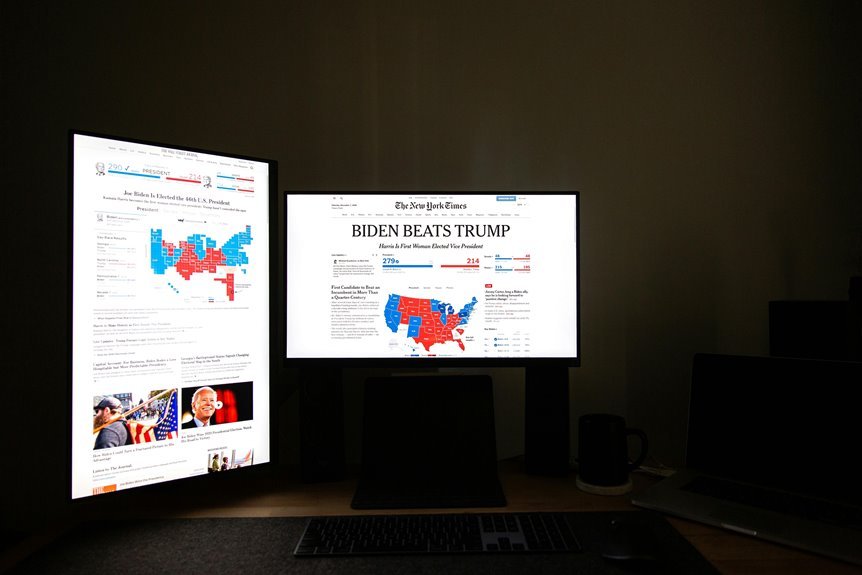
As voters approach the polls, think of them as navigators charting their course through a turbulent sea of political change. Recent studies show that voter turnout can hinge significantly on issues like climate change and economic inequality, reshaping what matters most in elections. With integrity at the forefront, how nations address these challenges can redefine global alliances. What strategies will emerge, and how will they influence the outcome of pivotal elections worldwide?
Key Electoral Events Around the World
As various nations prepare for pivotal elections, it’s crucial to recognize how these events can shape political landscapes globally.
Understanding voter demographics is essential; they influence election outcomes and policy directions.
Moreover, ensuring election integrity is vital to maintain public trust.
These factors not only affect local governance but also resonate on a global scale, impacting the quest for freedom and democracy worldwide.
Analyzing Voter Trends and Turnout
Voter trends and turnout play a pivotal role in shaping electoral outcomes and, ultimately, the political landscape.
Understanding voter demographics helps you identify which groups are more likely to participate. Effective turnout strategies, such as targeted outreach and education, can significantly enhance engagement.
Impacts of Electoral Outcomes on International Relations
Electoral outcomes can significantly reshape international relations, influencing everything from trade agreements to military alliances.
When governments change, you may see diplomatic shifts that redefine partnerships and alter economic policies. New leaders might prioritize different alliances, impacting global trade dynamics.
Understanding these outcomes is crucial, as they can either foster cooperation or sow discord, ultimately shaping the world you live in.
Future Political Predictions and Trends
While many factors shape the political landscape, emerging trends suggest that issues like climate change, economic inequality, and technological advancement will dominate future electoral agendas.
You’ll likely see electoral innovations aimed at enhancing participation and transparency, reflecting a shift toward more inclusive governance.
As these challenges evolve, adapting to them will be crucial for achieving effective future governance and maintaining individual freedoms.
Conclusion
As the world navigates this electoral landscape, it’s clear that the winds of change are blowing. Voter engagement and emerging issues are reshaping priorities and, in turn, the fabric of international relations. While some may refer to these shifts as mere adjustments, they actually herald a profound transformation. As you keep an eye on these developments, remember that today’s choices lay the groundwork for tomorrow’s global harmony—or dissonance. The future is indeed in your hands.