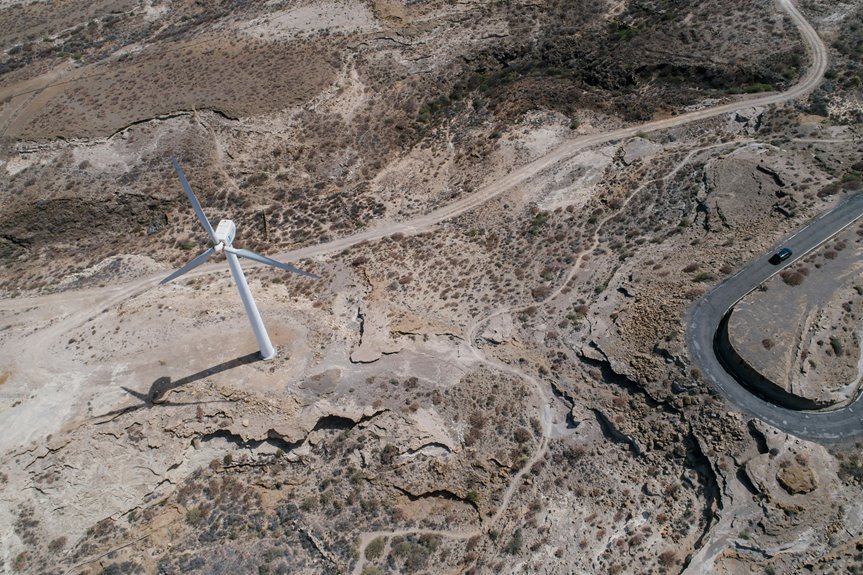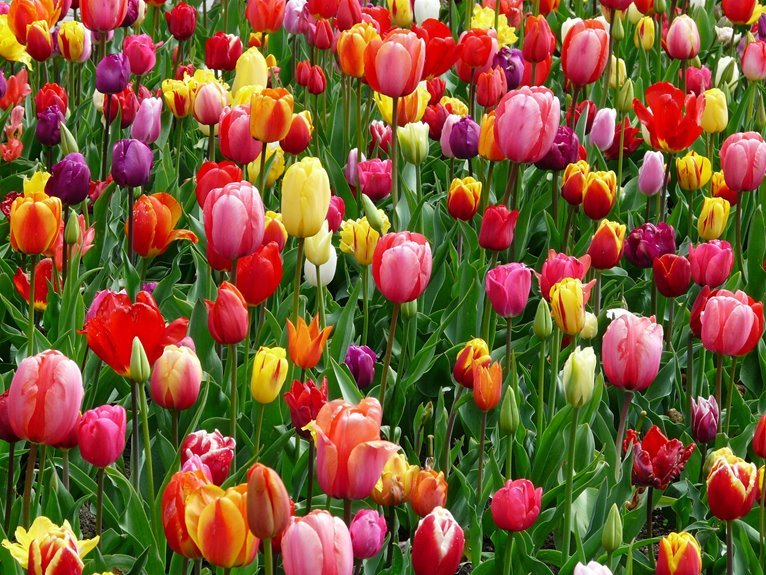
Is it true that volcanic activity can create a unique ecosystem where rare plant species thrive? Cinder Valley Bloom illustrates this fascinating relationship, showcasing the resilience of flora adapted to nutrient-rich soils. Understanding the interplay between these plants and their environment is crucial. As conservation efforts intensify to combat invasive species, the future of Cinder Valley’s biodiversity hangs in the balance. What’s at stake for this remarkable natural heritage?
Unique Flora of Cinder Valley
Have you ever wondered what makes the flora of Cinder Valley so distinct? This region boasts unique cinder flora, shaped by volcanic activity and nutrient-rich soil.
Here, you’ll find rare species that thrive in this harsh environment, showcasing nature’s resilience. These plants not only contribute to the valley’s beauty but also play a vital role in the ecosystem’s stability.
Ecosystem Dynamics and Interdependencies
As the unique flora of Cinder Valley thrives, it creates a complex web of ecosystem dynamics and interdependencies.
You’ll notice species interactions, such as pollination and nutrient cycling, that enhance habitat stability.
These interactions maintain ecological balance, allowing diverse species to flourish.
Understanding these dynamics empowers you to appreciate how each element contributes to the resilience and vitality of Cinder Valley’s ecosystem.
Conservation Efforts and Challenges
Maintaining the intricate balance of Cinder Valley’s ecosystem requires ongoing conservation efforts, as various species face numerous challenges.
Habitat preservation is essential to ensure native flora and fauna thrive. You’ll encounter invasive species threatening this balance, as they disrupt local habitats and compete for resources.
Active measures, like restoration projects and community involvement, are vital to protect Cinder Valley’s unique biodiversity for future generations.
The Future of Cinder Valley’s Natural Heritage
While the challenges facing Cinder Valley’s ecosystem are significant, the commitment to preserving its natural heritage is stronger than ever.
You can expect a future filled with sustainable practices and community involvement, fostering a sense of shared responsibility.
Conclusion
As you explore Cinder Valley Bloom, you witness not just the beauty of rare flora but also the critical role each species plays in maintaining the ecosystem’s balance. For instance, the successful reintroduction of the Cinder Valley Bluebell, a native plant, illustrates the positive impact of conservation efforts. By participating in local initiatives, you contribute to preserving this unique environment, ensuring that future generations can appreciate and learn from Cinder Valley’s rich natural heritage.