The Global Agriculture Report 7252934853 reveals pressing challenges in international food systems that demand immediate attention. You’ll see how climate change and urbanization threaten food security and the need for innovative farming practices like vertical farming and precision agriculture. It raises crucial questions about current agricultural policies and distribution networks. What strategies can truly enhance access to nutritious food for a growing population? The answers may reshape our understanding of sustainable agriculture.
Current Trends in Global Food Production
How are current trends shaping global food production?
You’ll notice vertical farming gaining traction as a solution to urban food scarcity, optimizing space while minimizing resource use.
Additionally, organic certification is increasingly sought after, reflecting consumer demand for healthier, sustainable options.
These shifts not only enhance food accessibility but also empower individuals to make informed choices, promoting a more liberated approach to nutrition.
The Impact of Climate Change on Agriculture
Climate change poses a significant threat to global agriculture, fundamentally altering growing conditions and crop yields.
You must recognize the need for climate resilience strategies and crop adaptation techniques to mitigate these impacts. Data shows that regions with proactive measures can sustain productivity, while those without face severe declines.
Embracing innovation in agricultural practices will be essential to ensure food security in a changing climate.
Innovations in Sustainable Farming Practices
As agricultural challenges intensify, innovations in sustainable farming practices are becoming crucial for maintaining productivity while preserving environmental integrity.
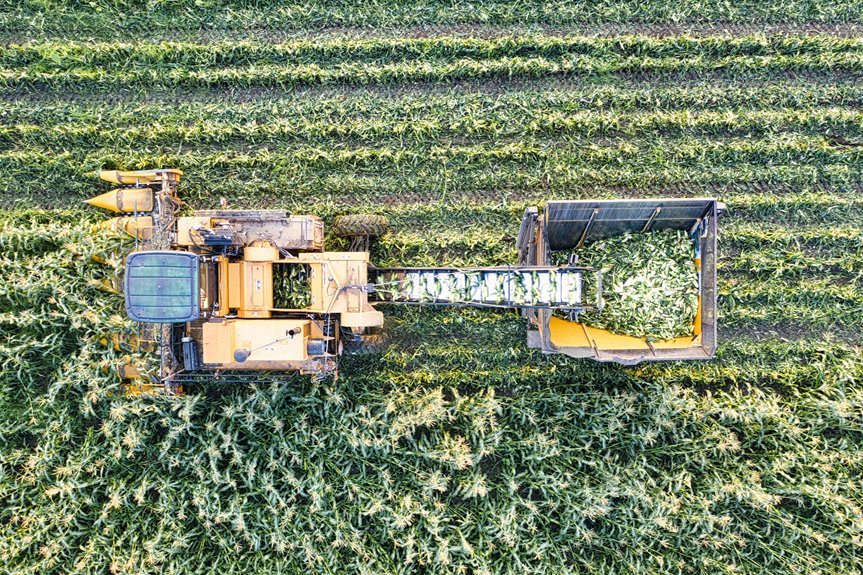
Techniques like vertical farming maximize space and reduce resource use, while precision agriculture employs data analytics to optimize inputs, improving yields and minimizing waste.
These advancements not only enhance efficiency but also empower you to actively contribute to a sustainable food system.
Strategies for Enhancing Food Security Worldwide
While many regions face escalating food insecurity, implementing targeted strategies can significantly enhance access to reliable and nutritious food sources worldwide.
Improving food distribution networks and reforming agricultural policy are essential steps. By prioritizing local production, investing in infrastructure, and adopting data-driven approaches, you can empower communities, reduce dependency on imports, and foster resilience against future food crises.
Conclusion
As we watch farmers struggle to adapt while climate change plays the ultimate game of hide-and-seek with food production, it’s clear that innovative practices aren’t just nice-to-haves; they’re lifesavers. Sure, let’s hope for a miracle, but without data-driven strategies and real policy reform, we might as well plant our crops in quicksand. Isn’t it ironic? The very systems meant to nourish us could end up being our downfall if we don’t act decisively.